Where this topic stands
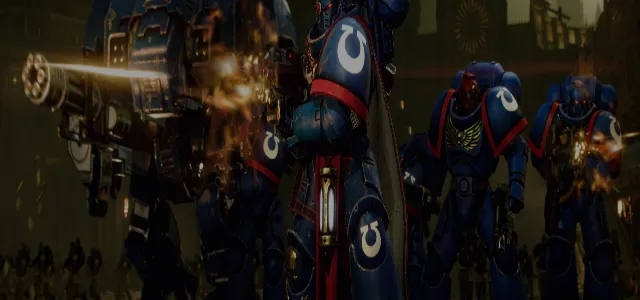
Press coverage of the presentation on 7 June 2026 describes concept art of a Primaris Psyker, presented as a support unit able to draw on the Warp. This is a reported illustration and description, not a demonstration of how the unit plays. The account does not establish its rules or its statistics, and this page does not treat an illustration as gameplay evidence.
What the tabletop establishes
A Primaris Psyker is a sanctioned human psyker attached to a Guard regiment, adding psychic power to an army better known for infantry and guns. In the setting, drawing on the Warp can also endanger the psyker and those nearby. That tension between support and risk is useful background for the unit, but it does not establish how any particular tabletop edition, or this video game, must represent it.
A sanctioned human psyker attached to a Guard regiment, bringing psychic support and the dangers associated with the Warp.
Tabletop identity, as established by Games Workshop. It says nothing about the video game.What has actually been shown
The report gives no rules for how this unit behaves. A support unit described as drawing on the Warp suggests a psychic ability, but that remains an interpretation of a press description, not evidence of a shared psychic system. The publisher has described neither its rules nor its risks, nor whether this unit’s ability would belong to battle, campaign or both.
What to watch next
The open question is whether psychic power carries a risk to its user or nearby allies in this game. That could make the timing and placement of a support unit matter, alongside its range and the strength of its effects. A resource cost, a failure chance and a cooldown would create different choices; the concept art does not establish any of them. The useful distinction is between the danger associated with the Warp in the setting and the rules this unit actually receives. Reported by press coverage of 8 June 2026, not confirmed by the publisher. Information correct as of 5 September 2026.
What is not known
These questions remain open in the cited sources. This page was last revised on 5 September 2026; each source keeps its own date.