Where this topic stands
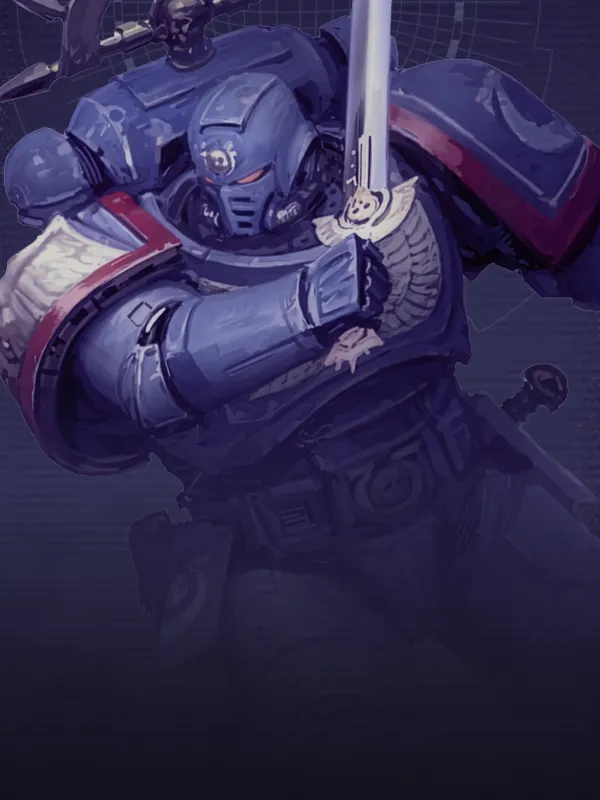
The Space Marines are confirmed as one of the four launch factions. Warhammer Community announced them on 12 December 2025. Named units are now reported from a playable preview, but a complete launch roster and final rules remain unpublished in the sources reviewed. Our pages distinguish the confirmed faction from the units and mechanics described in press accounts.
What the tabletop establishes
The Space Marines have anchored the Warhammer 40,000 setting since 1987 and are, on the tabletop, the archetypal elite army: small model counts, high resilience, high cost per model. That identity is what makes their arrival in a Total War game genuinely unusual. Over its history, Total War has built battles around large formations of interchangeable soldiers, and the Warhammer trilogy already stretched that formula with monsters and single entities. An army defined by small numbers raises a useful question about how that scale will work across a whole faction.
Genetically engineered post-human warriors, few in number and organised into Chapters. On the tabletop they are the archetypal elite army: small model counts, high resilience, high cost per model.
Tabletop identity, as established by Games Workshop. It says nothing about the video game.What has actually been shown
PC Gamer’s hands-on account of 29 August 2026 names Intercessors, Assault Intercessors, Terminators, Predator tanks and Dreadnoughts. These are press observations from a preview, not a complete publisher roster. The faction remains confirmed; the reported unit selection may still change before release.
What to watch next
Our unit pages cover a reported selection, not a complete launch roster. The open question is how an elite army fits the scale of a Total War battle. Recruitment costs, unit limits and final balance cannot be inferred from a preview alone. These missing rules determine what an army can field, and prevent a reliable comparison of units today. Information correct as of 5 September 2026.
What is not known
These questions remain open in the cited sources. This page was last revised on 5 September 2026; each source keeps its own date.